
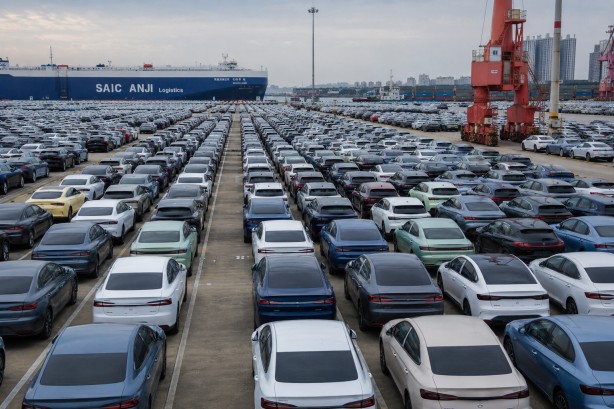
China has emerged as the dominant force in the global electric vehicle (EV) market, a transformation that has fueled the growth of its major automotive companies and reshaped the industry worldwide. However, this swift expansion has sparked concerns over potential overcapacity and intensifying competition within the sector.
Over the last ten years, a combination of government incentives, substantial local investments, and strong consumer interest has propelled numerous companies into the EV market. This strategy has not only cultivated some of the most successful Chinese automakers but also bolstered the nation’s expertise in battery technology and clean transportation solutions.
Despite these advancements, the expansion pace has sometimes exceeded market demand. Many automakers have constructed factories with capabilities far surpassing current vehicle demand, resulting in price wars and financial strain throughout the industry.
As the competition heats up, manufacturers are slashing prices to capture buyers and secure market share, placing smaller companies under pressure while larger firms continue to pour resources into technology, production, and international growth. This competitive landscape has prompted Chinese officials to express concerns about overcapacity, warning that unchecked expansion could pose economic risks. Industry experts emphasize the importance of balancing innovation and competition with sustainable development in the long run.
Nevertheless, China remains a global leader in the electric vehicle sector, with its manufacturers making significant inroads into international markets, setting the stage for the future of transportation.