
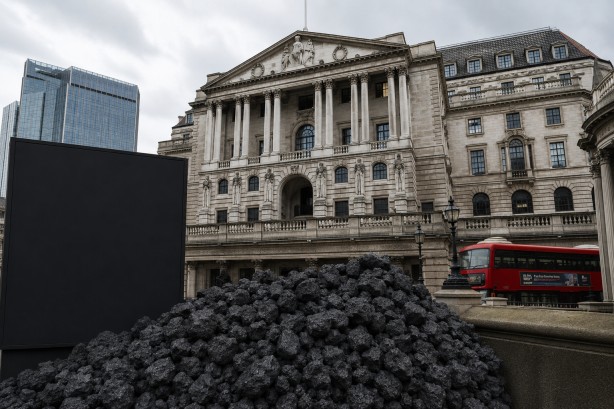
The Bank of England is taking a decisive step in tackling climate-related financial risks by announcing that it will cease accepting bonds linked to thermal coal companies as collateral for its lending operations starting in October. This move highlights the central bank’s commitment to mitigating the risks associated with investments in fossil fuels, particularly those used in power generation.
Lending operations at the Bank of England often involve commercial banks using bonds as collateral to borrow money, which helps facilitate their daily functions and transaction settlements. With the new policy, bonds tied to thermal coal will no longer be accepted, reflecting increasing concerns over the financial viability of such companies as global efforts to transition to cleaner energy sources intensify.
The central bank emphasized that firms involved with thermal coal are facing escalating financial risks due to the shift towards renewable energy and the pursuit of net-zero emissions. Consequently, assets related to coal could depreciate significantly over time. To further safeguard its balance sheet, the Bank of England will also have the option to apply discounts to bonds from other sectors deemed vulnerable to climate risks.
Environmental organizations have praised this initiative, suggesting it sends a powerful message to the financial markets and could prompt commercial banks to reconsider their investments in industries with high pollution levels. More than 150 major financial institutions globally have already implemented restrictions on business dealings with the thermal coal sector.
While the policy is seen as a positive move, analysts caution that its success will hinge on the assessment of climate risks and whether similar restrictions will be applied to other environmentally damaging activities in the future.