
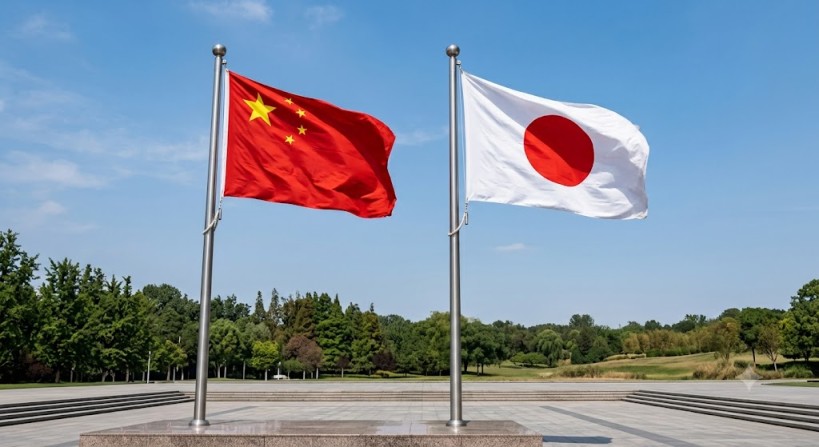
China has imposed new export controls on 40 Japanese entities, citing concerns over Japan’s military enhancements and alleged “remilitarization” activities. The restrictions affect 20 Japanese firms and their divisions, including those associated with major corporations, by limiting their access to certain dual-use goods that serve both civilian and military functions.
An additional 20 Japanese entities have been placed on a watch list, necessitating that exporters obtain special approvals, conduct risk assessments, and ensure that their products will not be utilized for military purposes. These measures, according to China, are intended to curb Japan’s expanding military capabilities, which Beijing views as a potential threat, particularly as Japan strengthens its long-range weaponry and security collaborations with other nations.
In response, Japan has condemned the export controls as unacceptable and has called on China to revoke the measures. Japanese authorities have stated they will evaluate the impact of these restrictions and consider appropriate countermeasures. This development comes amid heightened tensions between the two nations, following Japan’s recent defense strategy overhaul and military bolstering.
China has consistently opposed Japan’s security policies, especially those related to Taiwan, leading to increased friction. Analysts suggest that while these export restrictions may serve as a diplomatic signal rather than a comprehensive economic strategy, the relationship between China and Japan remains fragile amid broader regional security issues.