
OpenAI’s $1.4 trillion spending plan is the latest shot fired in an escalating AI arms race, but it’s a battle that pits a startup against some of the richest companies in history. The company behind ChatGPT is trying to “match or exceed” the infrastructure of Big Tech players like Mark Zuckerberg’s Meta, Google, and its own backer, Microsoft. The problem, as analyst Benedict Evans notes, is that these giants have “cashflows from their existing businesses to pay for this,” and OpenAI does not.
This fundamental disadvantage is forcing OpenAI into a precarious “bootstrap” operation. While Google can fund its AI research from its search ad monopoly and Meta can use its social media profits, OpenAI is a loss-making company. It must rely on its brand, its current lead in the market, and complex financial deals to secure the hundreds of billions in compute it needs to stay competitive.
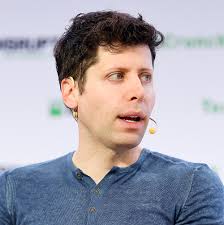
The pressure to keep up is immense. Sam Altman, OpenAI’s CEO, has argued that the company’s greatest risk is “not having enough computing power,” rather than spending too much. This philosophy drives the need for the $1.4 trillion commitment, which the company hopes to pay for with future revenue from its 800 million weekly users and growing base of 1 million business customers.
Altman is betting that OpenAI’s popularity can be leveraged into a suite of “high value and high margin products.” The plan includes growing ChatGPT subscriptions (currently 75% of income), expanding corporate services, and potentially launching new hardware. But this is a race against time, as its deep-pocketed competitors are building their own models and infrastructure.
The $1.4 trillion figure is more than just a budget; it’s a declaration that OpenAI intends to compete as an equal with the platform giants. But without their profitable foundations, the startup is walking a financial tightrope. Its success depends entirely on whether its products can get good enough, fast enough, to build a self-sustaining business before its competitors—or its costs—crush it.