
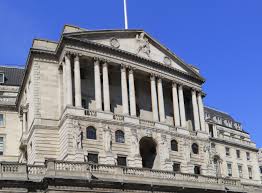
The friction between regulatory safety and economic growth has taken a new turn, with the Bank of England announcing measures that align closely with the government’s agenda. Chancellor Rachel Reeves has been applying pressure on regulators to stop stifling innovation with excessive red tape. On Tuesday, the central bank responded by announcing plans to lower capital requirements for lenders, a move designed to grease the wheels of the UK economy.
The reforms will lower the safety buffer banks must hold against their assets, effectively unlocking billions of pounds that were previously tied up in reserves. The Bank of England stated that the new rules, effective from 2027, are consistent with supporting growth in the “real economy.” This comes after Reeves described current regulations as a “boot on the neck” of British business earlier this summer.
Governor Andrew Bailey defended the independence of the decision, framing it as a technical adjustment rather than a political concession. He noted that UK banks have frequently held more capital than legally required, which suggests the system is currently inefficient. By calibrating the rules, the Bank hopes to see increased investment without compromising the stability of the financial system.
This deregulation comes at a complex time. While the government pushes for growth, the Bank’s own Financial Policy Committee has warned that risks are actually rising. The committee pointed to the potential for a “sharp correction” in the valuation of AI companies as a key threat. Balancing the government’s desire for aggressive growth with the need to protect against a tech-sector bubble will be a difficult tightrope to walk.
Furthermore, the Bank is expanding its scrutiny beyond traditional high street lenders. New stress tests will target the private credit industry, a largely unregulated sector that has grown significantly. By monitoring these “shadow banks,” the regulator hopes to ensure that the Chancellor’s push for growth does not inadvertently trigger a financial meltdown similar to the sub-prime crisis.