
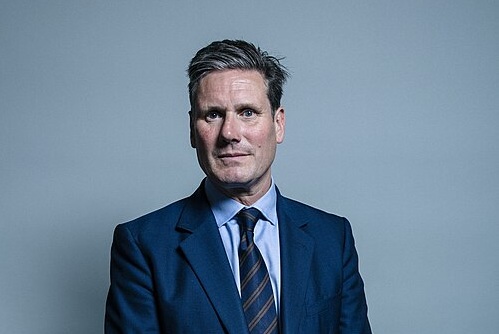
The verdict on Labour’s latest budget is a tale of two audiences: the financial markets and the British electorate. On one hand, Prime Minister Keir Starmer and Chancellor Rachel Reeves have successfully calmed the bond markets. Following a budget focused on fiscal tightening and a £26bn tax raid, UK borrowing costs have dropped to their lowest levels of the year. This market stability is being hailed by the government as proof that their “tough choices” were the right ones.
However, the reaction on the ground is far less enthusiastic. Opinion polls conducted after the budget reveal that voter perception of the Chancellor’s competence has not improved. Approximately 60% of the public still believe Reeves is doing a poor job, a figure that remains virtually unchanged from pre-budget sentiment. This disconnect highlights the challenge Labour faces: convincing households that macroeconomic stability will eventually translate into personal financial relief.
Prime Minister Starmer is attempting to bridge this gap by promising a long-term plan that goes beyond tax hikes. He is pledging a new era of deregulation to spur building and growth, alongside welfare reforms designed to get more people into work. He argues that without these structural changes, the country would be doomed to a “politics of decline,” trapped between unsustainable borrowing and damaging austerity.
The political opposition is keen to exploit the public’s dissatisfaction. Conservative critics argue that the tax rises were unnecessary and based on a false narrative of economic despair. They point to updated forecasts that showed higher-than-expected tax receipts, suggesting the Chancellor had more room to maneuver than she admitted. This has led to accusations of dishonesty that are complicating Labour’s messaging.
Despite the gloomy polling, Starmer insists that his government should be judged at the next election, not now. He believes that by stabilizing the economy and investing in public services, voters will eventually feel the benefits. For now, the government is prioritizing “serious” governance over popularity, hoping that market confidence is the leading indicator of a future economic recovery that will eventually win over the skeptics.