
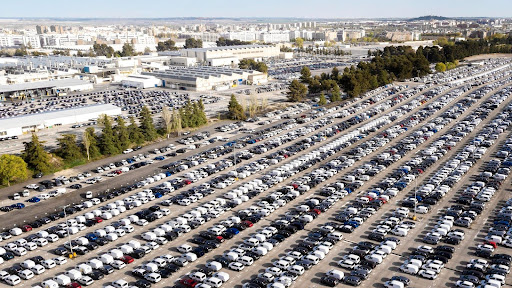
China’s automotive industry is no longer just a manufacturing hub for the world; it is becoming a global neighbor through localized production. Companies are shifting away from the traditional model of shipping finished cars from Chinese ports to setting up shop in foreign markets. This includes everything from building new plants to reviving existing automotive infrastructure overseas.
Last year’s statistics highlight the scale of this ambition, with over 7 million vehicles leaving China for foreign shores. This 21.1% increase year-on-year underscores China’s persistent lead as the world’s largest vehicle exporter. The reach extends across virtually every continent, with significant growth in Southeast Asia, Europe, and South America.
The rapid rise of New Energy Vehicles (NEVs) is the most significant trend within these export figures. NEV exports reached 2.61 million units last year, a 100% increase that showcases China’s competitive edge in battery technology. These vehicles are becoming the face of Chinese automotive expansion in environmentally conscious markets.
Industry experts believe that the domestic market’s sheer size has become a bottleneck for further growth. With sales at 34 million units and growth slowing to a crawl, the only way forward is to compete for “international footprints.” This involves deep cooperation with global partners to manage and rebalance production capacity.
By observing giants like Volkswagen, which once produced 40% of its sales in China, Chinese brands are learning to localize. The goal is to create a seamless operation that functions effectively in both domestic and international spheres. This strategy ensures that Chinese automakers can thrive even as their home market stabilizes.