
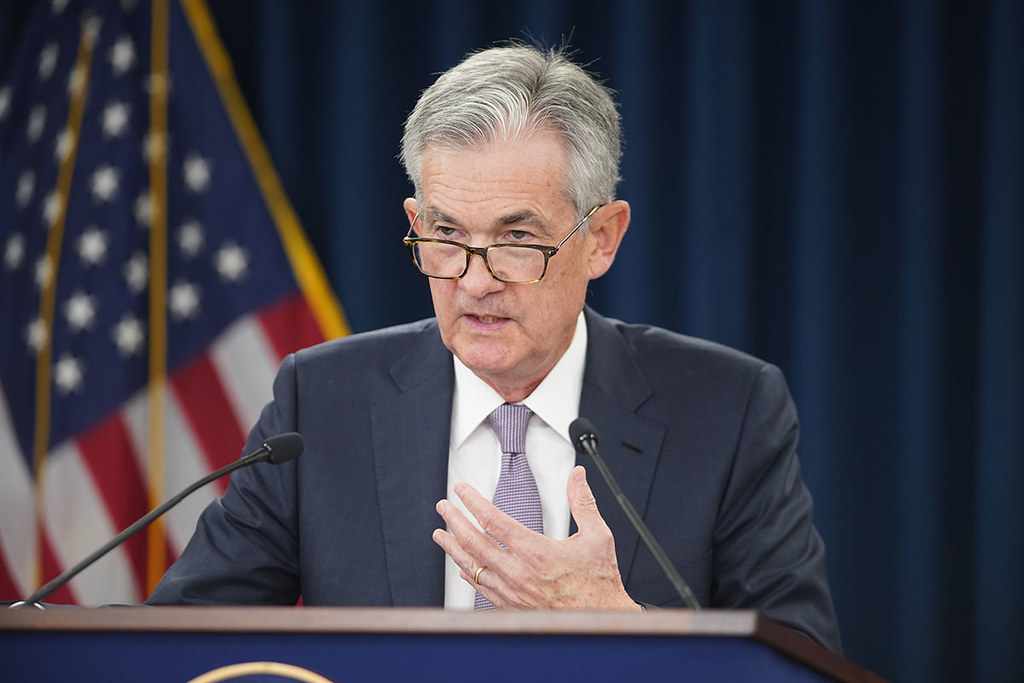
The Federal Reserve’s final meeting of 2025 unfolds against a backdrop of internal disagreement, data scarcity, and mounting political pressure. As the central bank’s 12 voting members gather to determine whether interest rates should fall again, the convergence of these factors creates an exceptionally challenging environment for monetary policy.
Markets have positioned for another rate reduction on Wednesday, building on the two half-point cuts delivered in September and October. Those moves brought rates down to the current 3.75% to 4% range from the decades-high levels reached during the inflation-fighting campaign that began in 2022. Yet consensus among Fed officials remains elusive.
The six-week government shutdown that closed the Bureau of Labor Statistics has deprived policymakers of October’s economic data. Without information on that month’s price movements and employment trends, officials must extrapolate from older statistics during a period of significant economic turbulence. November’s data will arrive too late to inform this week’s decision.
Jerome Powell has acknowledged the difficulty of balancing the Fed’s dual mandate as both inflation and unemployment rise. Consumer prices accelerated from 2.3% in April to 3% in September, while joblessness increased from 4% to 4.4%. With only interest rates as a policy tool, the committee cannot simultaneously combat both problems, forcing members to prioritize based on their individual economic assessments and risk tolerances.
The political dimension intensifies as Powell’s chairmanship nears its May conclusion. Kevin Hassett, a close advisor serving as director of the national economic council, has emerged as a potential successor. Hassett’s consistent advocacy for lower rates aligns with administration preferences but contrasts with Powell’s more cautious stance. The committee’s announcement Wednesday afternoon will conclude a tumultuous year that tested the Fed’s traditional independence and decision-making processes.