
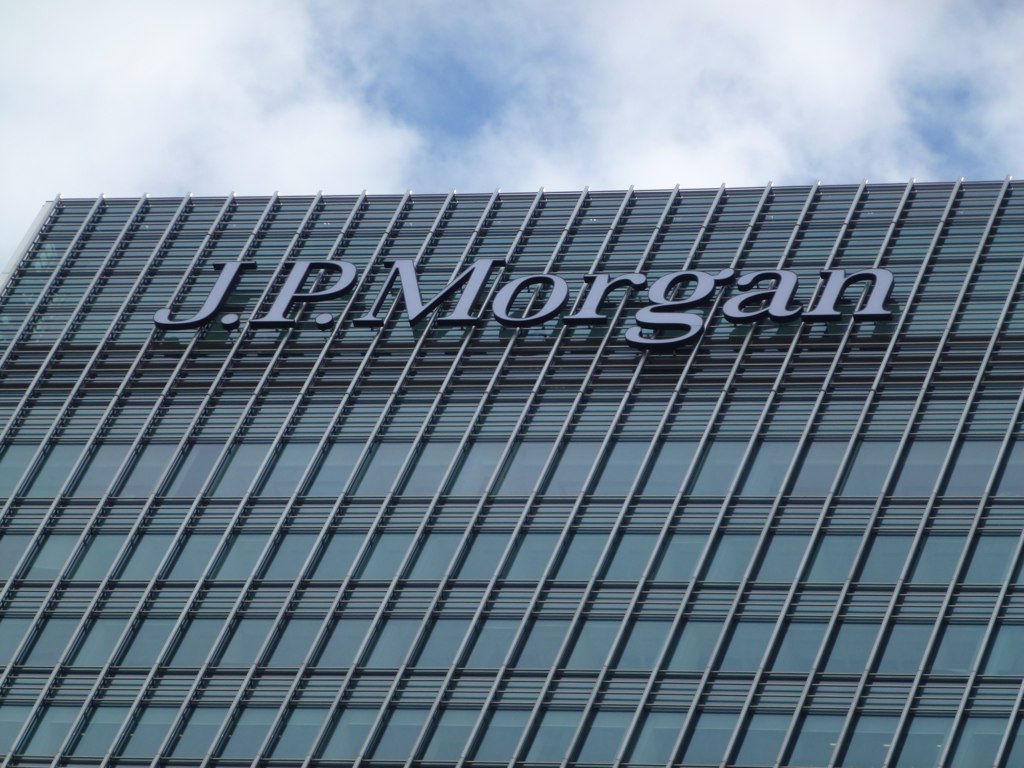
In a striking show of confidence in the United Kingdom’s economic trajectory, two of Wall Street’s most prominent banks have unveiled extensive expansion plans within hours of the autumn budget announcement. The initiatives, encompassing JP Morgan’s £3 billion Canary Wharf tower and Goldman Sachs’s significant Birmingham presence expansion, arrive at a moment when the banking sector successfully avoided proposed tax increases.
JP Morgan’s ambitious headquarters project will create a 3 million square foot landmark building designed to accommodate over half of the bank’s substantial 23,000-person UK workforce. The development represents one of the largest single corporate real estate investments in London’s financial district in recent memory, with construction timelines extending approximately six years into the future.
The Goldman Sachs expansion in Birmingham centers on hiring 500 additional employees, effectively more than doubling the bank’s current workforce in the city. This move underscores Birmingham’s growing role as a significant financial services center outside London and reflects the broader trend of financial institutions diversifying their geographic footprint within the UK. The bank has positioned this expansion within its larger investment framework focused on technology and artificial intelligence.
Questions have emerged regarding the relationship between the budget’s treatment of banks and these subsequent investment announcements. The financial services sector mounted a robust lobbying campaign against proposed tax increases, arguing that such measures could restrict lending capacity and undermine growth-focused regulatory reforms. While reports suggested the Treasury sought supportive statements from banks in return for maintaining current tax rates, bank representatives maintain that major projects like JP Morgan’s headquarters result from long-term strategic planning rather than budget-specific responses.
Jamie Dimon, JP Morgan’s chief executive, emphasized London’s millennium-long history as a financial hub and the importance of maintaining its vitality for UK economic health. The government’s prioritization of economic growth factored importantly in the investment decision. Beyond the direct £3 billion construction cost, the project is expected to generate almost £10 billion in total economic impact through supplier relationships, business activity, and employment creation. Goldman Sachs has indicated several billion pounds stand ready for deployment in critical sectors including AI and digital infrastructure, suggesting sustained commitment to UK market opportunities despite global uncertainties.