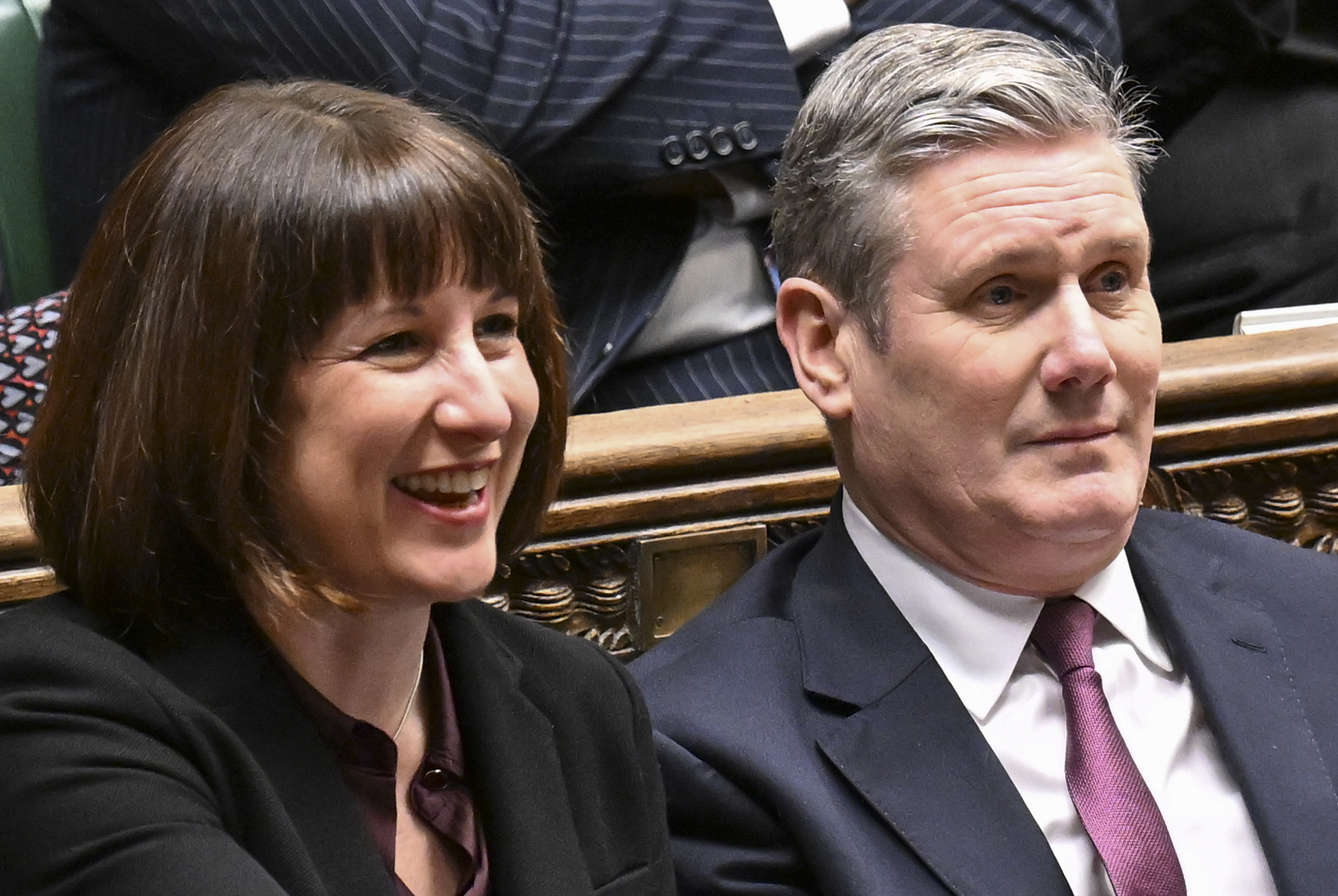
The Labour government is defending its fiscal choices against accusations of breaking manifesto promises after announcing £26 billion in tax increases, including measures that will directly affect working people’s take-home pay. Prime Minister Keir Starmer and Chancellor Rachel Reeves both insist they have honored their election commitments while making “fair and necessary” adjustments to address economic realities.
During media appearances, Starmer conceded that the budget required contributions from everyone but emphasized that the government had minimized the burden on ordinary people. He outlined three justifications for the tax increases: ensuring the NHS remains accessible when people need it, providing adequate funding for schools, and tackling cost of living challenges. The prime minister framed these as essential investments in public services that benefit working families.
Reeves took a similar stance, acknowledging that working people would need to pay more but highlighting the “absolute minimum” approach to these increases. She pointed to global economic pressures and productivity downgrades from the Office for Budget Responsibility as factors requiring difficult fiscal decisions. The chancellor emphasized that she must make policy based on current economic conditions rather than ideal scenarios.
Both leaders were questioned specifically about the freeze on income tax and national insurance thresholds, which critics argue represents a tax increase on working people despite Labour’s campaign promises. Neither apologized for the decision, instead arguing that the overall budget package maintains the spirit of their manifesto commitments while responding to fiscal necessities they inherited and current economic conditions.
The government’s defense strategy involves highlighting other budget elements, particularly the elimination of the two-child benefit cap and targeted tax increases on wealthier individuals and corporations. By framing these choices as part of a comprehensive approach to fairness, Labour leaders hope to demonstrate that they’ve balanced fiscal responsibility with their commitment to protecting working families and reducing child poverty.