
A new wave of trade protectionism is being fueled by what US companies see as a critical loophole in tariff law. Red Gold, a major tomato-canning company operating across three states, submitted a 12-page plea to the US Commerce Department demanding action against foreign competitors.
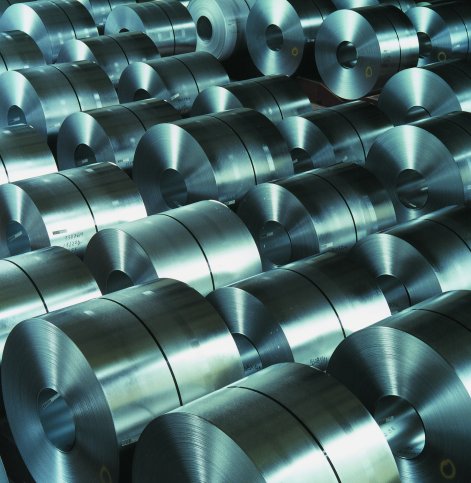
The company’s complaint highlights a major disparity: Red Gold pays a steep 25% tariff on tinplate steel from the UK and a 50% tariff on steel from other regions, which it uses to manufacture its own cans. However, foreign businesses that sell finished tin-plated cans directly into the US market pay “no comparable tariff.” This, Red Gold argues, allows them to sell at prices domestic producers cannot match.
This “finished goods” argument is the driving force behind a flood of new requests for protection. The Commerce Department has received roughly 700 submissions from various US industries asking for foreign products to be added to the “steel derivatives” tariff list, which would tax imported goods based on their steel content.
This new list includes requests from a mattress spring company, manufacturers of industrial machinery, and cookware companies. All of them are making a similar case: it is unfair to tax the raw materials for US factories but not the finished products from foreign ones.
Experts fear this logic will lead to a “rolling and growing list” of tariffs. Given the near-100% success rate of similar requests in August, it is highly likely these 700 new items will be approved for levies in December or January, sending a shockwave through global supply chains.